


Both sides of the table • Part one
What it takes to be the supplier a buyer calls first
The phone call started badly and quickly got worse.
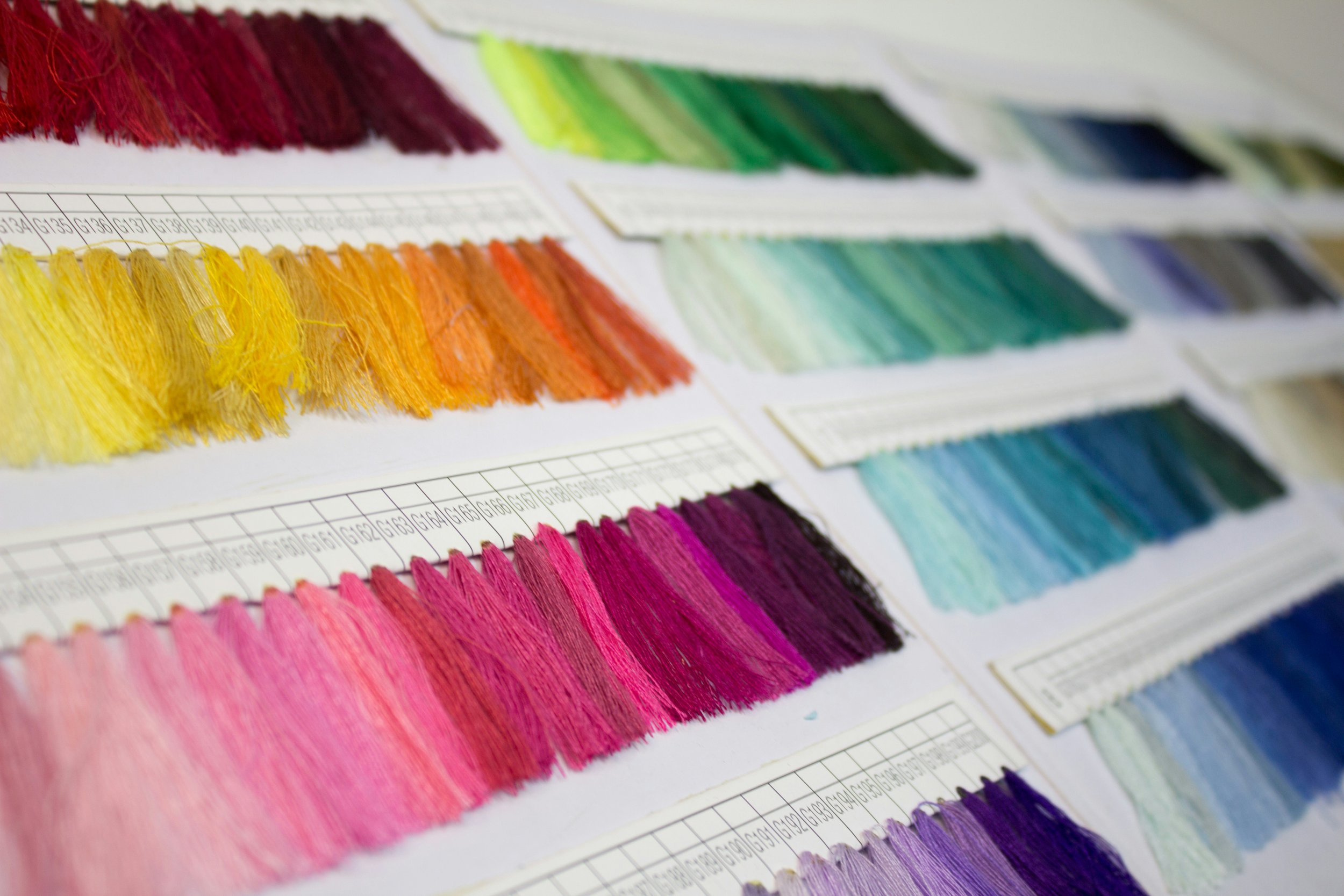
I had suggested to a supplier that we change out a few colours in his range. Not a radical idea, given those colours hadn't sold a single unit, in any store, in the two years since the brand launched. Replace them with colours our customer actually wanted, and we would both sell more.
To put it mildly, he did not take it well. He screamed down the phone that he "wouldn't even get out of bed" for the salary I was earning. Interesting, given I had never shared my salary with him. Then came the line I have never forgotten:
"Let me tell you something. I know people, Sally. I know people."
As though he were some sort of mafia supermodel.
For weeks afterwards, I won't lie, I eyed every van parked outside as I left work. But I'm still here to tell the tale, so we'll put it down to an empty threat.
What he couldn't see was that I was trying to help him sell more. Wasn't that the whole point of his business? Our stores weren't a museum. If it didn't sell, it didn't stay.
I thought of that call recently, when I was asked what makes a supplier truly valuable to a retailer, beyond price and delivery. He's a good place to start, because he got the answer so completely wrong.
I've seen that question from both sides of the table, as a leader of buying and merchandise teams and as the CEO of a supplier. It's too big and complex for one article, so this is the first of a short series.
Here, I'm starting in the Buyer's chair.
Who chooses what goes into these stores?

At twelve, I made a decision that would shape my life. My mother and I set off early to find the perfect outfit for the Christmas season, a treat I was given each year. I knew exactly what I wanted. It should have been simple.
It wasn't. We went from store to store, starting with my favourites and ending, desperate, in one I would never normally have set foot in. Standing there, exhausted and empty-handed, I turned to my mother.
"Who chooses what goes into these stores?"
"A fashion buyer," she said.
"Well, that's what I'm going to be," I announced. "I must be able to do a better job than these people."
I became a buyer at 23 and went on to lead buying and merchandise teams for some of Australia's biggest retailers. That twelve-year-old, and the customer she represented, came with me every step of the way.
A good buyer doesn't wait to be sold to
There's a perception that buyers sit back while suppliers pitch. The good ones don't.
Our job was to get the best outcome for our customers and our shareholders, in that order. That meant setting the direction: reading and predicting trends, identifying the gaps and future opportunities in our ranges, knowing which categories needed to work harder for their space, and which emerging categories demanded prime position. Many of our best launches started with our brief, not a supplier's pitch. And I didn't wait for range reviews to talk about what was next. I held regular catch-ups with key suppliers to do exactly that.
But when an opportunity landed, whether a trend breaking early, a gap in the range or open-to-buy that needed to be spent quickly, I didn't brief the market. I picked up the phone to a handful of go-to suppliers.
And there was one I always called first.
The supplier I called first
They were obsessed with what would sell, not what they could sell.
That one distinction shaped everything about how they worked. They were across the local and international markets, and travelled constantly to stay ahead of them. They knew where production was shifting, which emerging countries and provinces were building capability, and what that would mean for cost and quality a season or two out. They were absolute experts in their field.
They had high standards, and those standards flowed right through their business. They treated their team, their factories and my team with absolute courtesy and respect. Their people were people you genuinely enjoyed spending time with.
It never felt like buyer and supplier. It felt like a true partnership. When I had an opportunity, there was no question who would get the call.
Now picture my mafia supermodel, clinging to colours that had never sold because they were what he had to sell. Same industry, same retailer, same buyer. Completely different businesses.
What put them on speed dial
Price alone never got a supplier onto my list. Today, a sharp price might get you a meeting, but it won't win you the business. A retailer won't swap out an existing supplier just to save on cost. More often, they'll take your price to their current supplier and ask them to match or beat it.
Undercut a buyer's current supplier and you haven't won the business. You've just negotiated their next price.
What gets you in is offering something different. What keeps you there is reputation, and trust built season after season.
They delivered, and we dealt with the rest together. They consistently hit the critical path, met the quality standards and ultimately did what they said they would do. When something went wrong that was outside anyone's control, they told us early and we worked it through together. Problems don't lose you the business. Surprises do.
They cared about sell-through as much as we did. We regularly shared sales and sell-through with our suppliers so they could see exactly how their product was performing. On a Monday, if something we were excited about had landed, I would call to tell them how it had sold over the weekend. We were in this together. An order is a moment; sell-through is a relationship. The supplier who came back with a view on whether to chase, hold or clear got the next opportunity. The one who only asked how many units we'd commit to next season usually didn't.
They knew their category better than anyone. That's rarer than you'd think. I often walked into a new role and found us buying product from suppliers for whom it was nowhere near their core competency. That always got fixed. Quickly.
They challenged us, and told the truth early. They didn't simply agree with me. A supplier who always agrees with you is just an expensive echo. When they could see a better way, they brought an alternative our customer would love more. They raised risks while there was still time to fix them, and never shared what we told them with a competitor.
Reasonable and realistic
Pushing for the best outcome never meant being unreasonable. It meant being realistic about what could and couldn't be controlled.
I remember stock for a catalogue being delayed because riots and protests had broken out in the country where it was being manufactured. The factories had closed to keep their workers safe. In a meeting, a senior executive yelled at me about the delay.
My very calm, but astounded, response: "I'm sorry this delay has caused you an inconvenience. I'll be sure to let the factory workers, whose lives have been at risk, know the full extent of your anger."
Suppliers knew I would push for the best result for our customer. They also knew I would stand beside them when something genuinely couldn't be helped.
Make it easy, or they'll go elsewhere
Here's what many suppliers miss. You're not only competing with other suppliers. You're also competing with the retailer itself, and its option to go direct to the factory.
I worked with plenty of suppliers who made it hard. Suppliers who weren't organised. Samples that bore little resemblance to the brief. Critical dates I had to chase, again and again. Suppliers who didn't take responsibility for their side of what needed to be delivered.
Every time my team had to chase a sample, re-brief a range or fill a gap a supplier had left, we were doing their job instead of serving our customer. Every chased sample is a quiet vote for going direct.
The best suppliers did the opposite. They took the work off our desk. A complete range, costed to our price architecture, with the critical path mapped and every question answered before we asked it. Samples that matched the brief. Product that arrived store-ready. And after launch, they were on the phone with the sell-through and a plan.
If it's easier to go direct, or easier to go to someone else, eventually the buyer will. The easier you make the buyer's job, the harder you are to replace.
So, what makes a supplier truly valuable?
Being the one who gets the call. Not because you "know people", but because you know what will sell, you deliver, and you make the buyer's job easier.
If you're a supplier, a few questions worth asking yourself this week:
• Are you focused on what will sell, or on what you can sell?
• When did you last bring a buyer an idea they didn't ask for?
• Do you know how your product sold last week, and what are you doing about it?
• What have you taken off your buyer's desk this season, and what have you added to it?
• When there's open-to-buy to spend quickly, is yours the first name they think of?
In the next parts of this series, I'll share why I used price as a plan rather than a stick, what I learned once I was the one sitting across from the buyer, and how a supplier builds something a retailer can't easily copy or buy elsewhere.
My mafia supermodel knew people. The best suppliers know what will sell.
Sally Coates is the founder of WOLVIN. She has led buying and merchandise teams as an executive for some of Australia’s major retailers and been CEO of a wholesale business supplying ranges to major Australian retailers.
Today she works with businesses to find the value others miss, and deliver it.
Get in touch: hello@wolvin.com.au